engaging design
Traditionally, design communicates in one direction, from the medium to the receiver. Throughout my career I like to make little experiments and try to involve the target group and let them become part of the creative process. From passive audience member to creative collaborator. As Jacques Rancière calls it: emancipating the spectator!
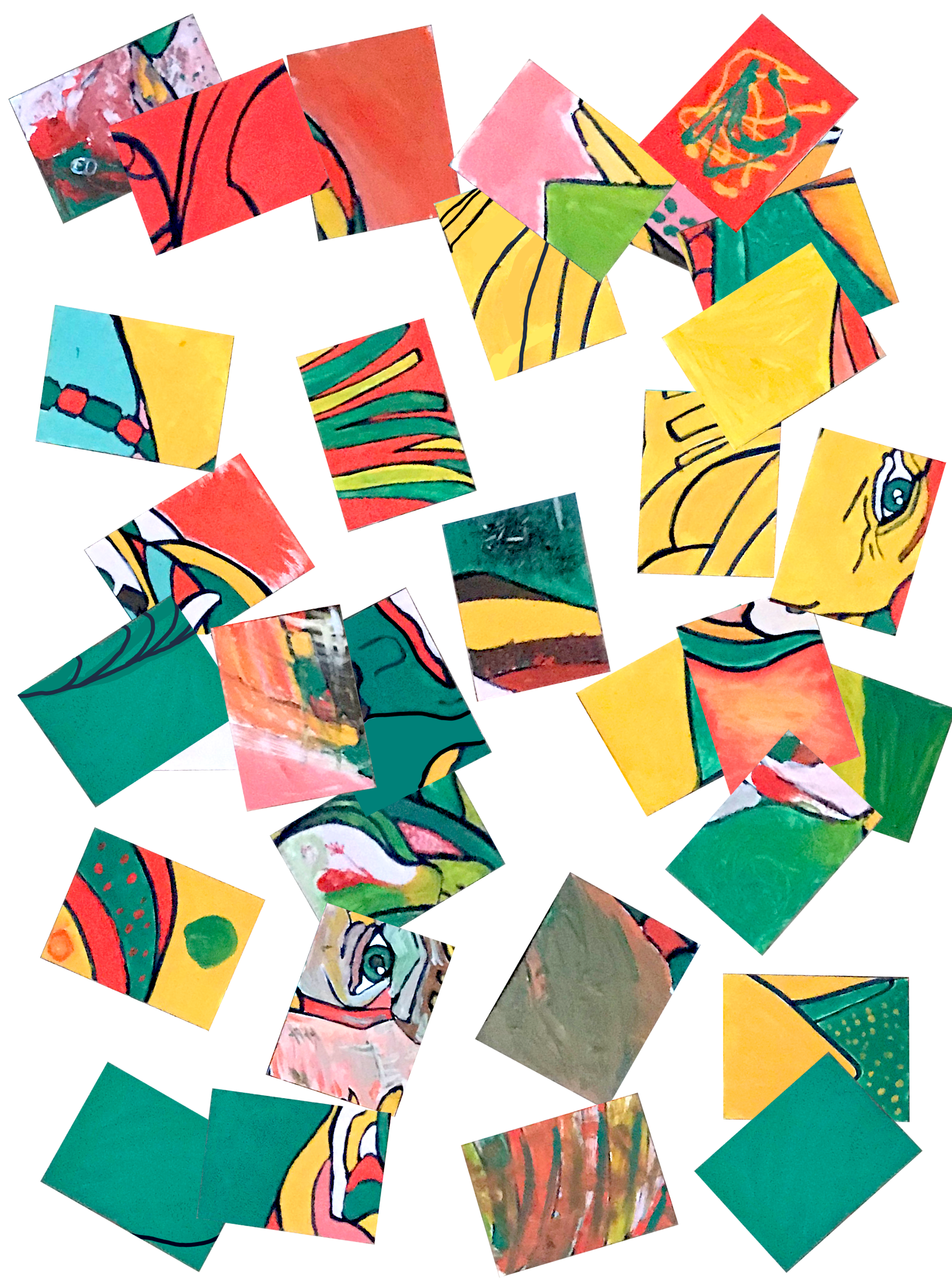
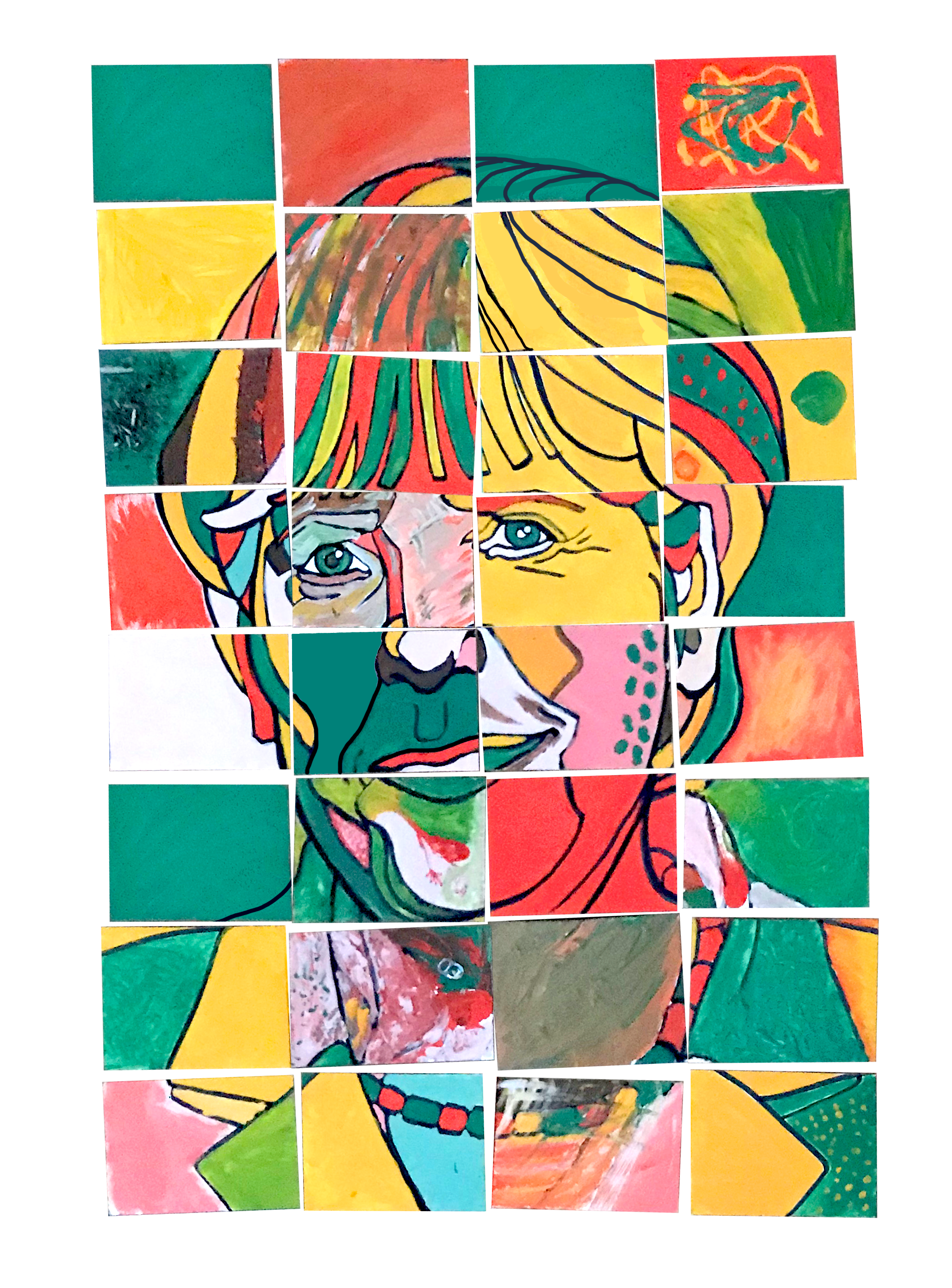
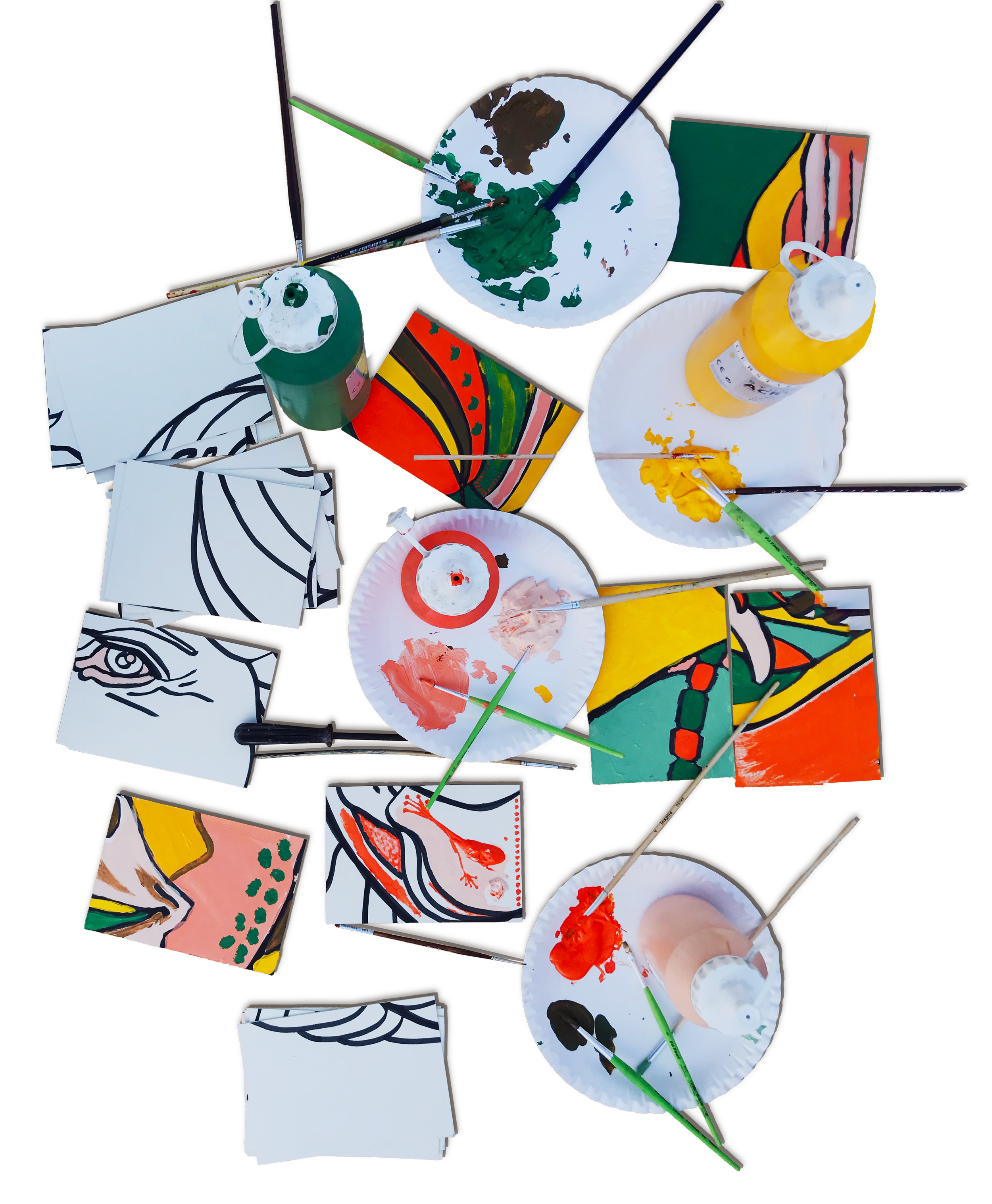
Participants of a creative workshop on German Unity Day didn’t knew what they were making until all pieces of Angela Merkel’s portrait were puzzled together.


Collaborative post-it portraits
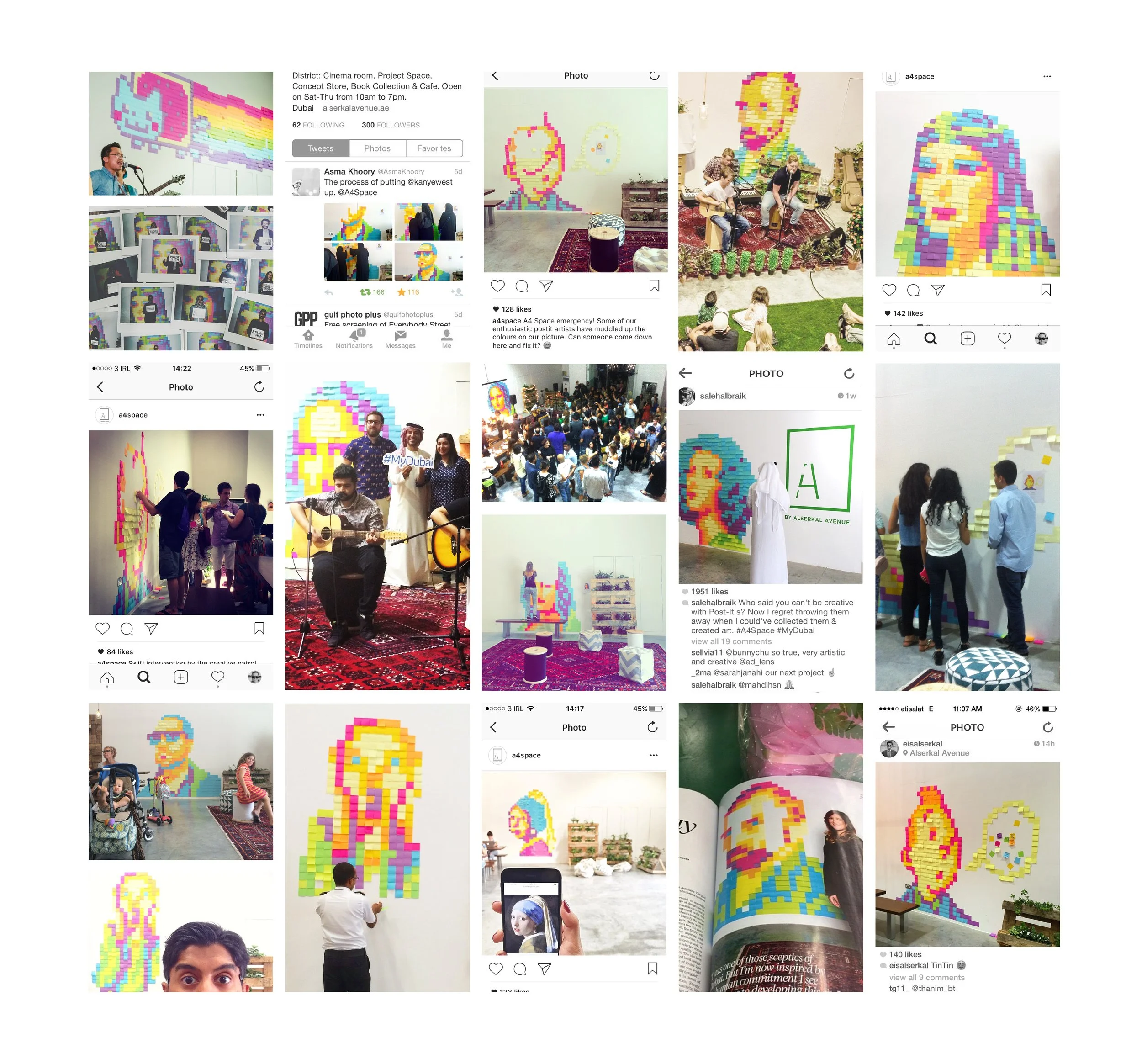
Managing the social media channels of Alserkal Avenue in Dubai, I created content for their community center A4 Space by organizing monthly interactive portraits. I invited visitors to contribute making huge post-it portraits, following a grid I provided. This project gave A4 Space a huge presence on social media, we got reposts of local VIPs and an article in a travel magazine.

Herstory
For International Women‘s Day 2023 I organised an engaging event for BBDO Group Germany and Omnicom MediaGroup. Me and my partner Jenny created a timeline on the history of women‘s rights: Herstory. We gave talks on the history of women‘s rights in Germany and general western world. Did you know that women have only been able to open their own bank accounts since 1958? After the talks we sent around one question to our colleagues: „So what kind of problems do you think women face today?“.
The results sparked some important debates within the office and were presented to the top-management.
Click here to download the full Herstory timeline.


Teacher-centered event design
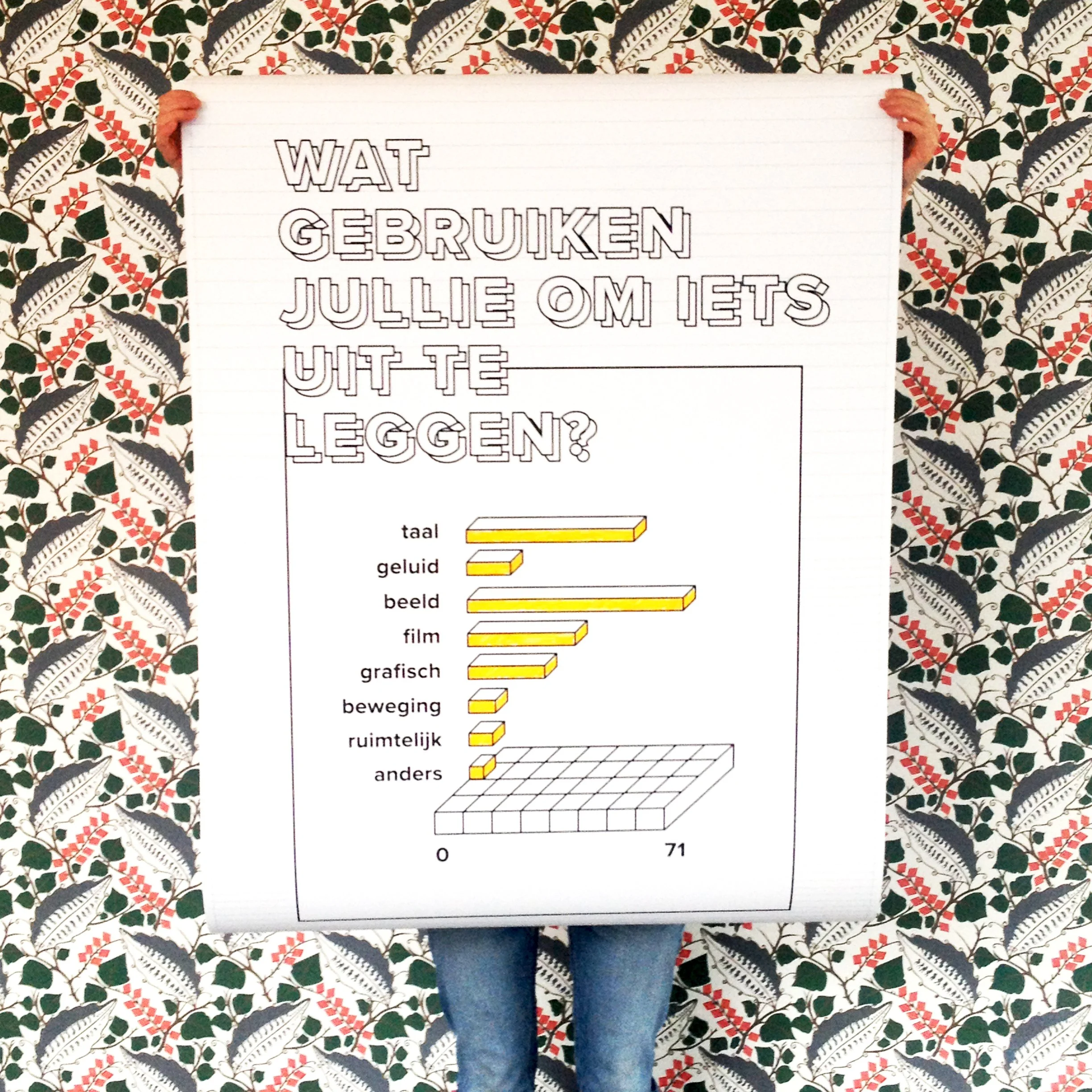
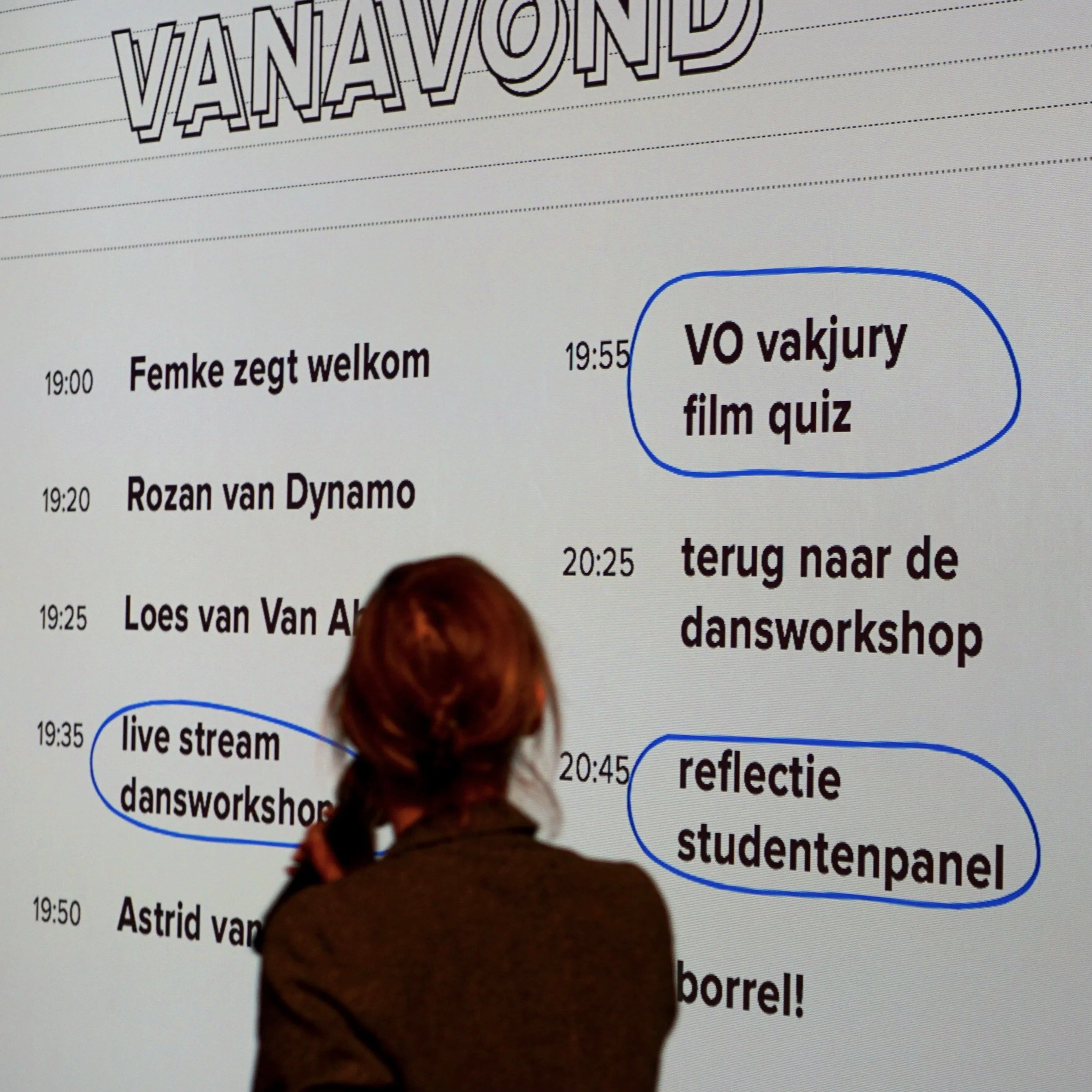
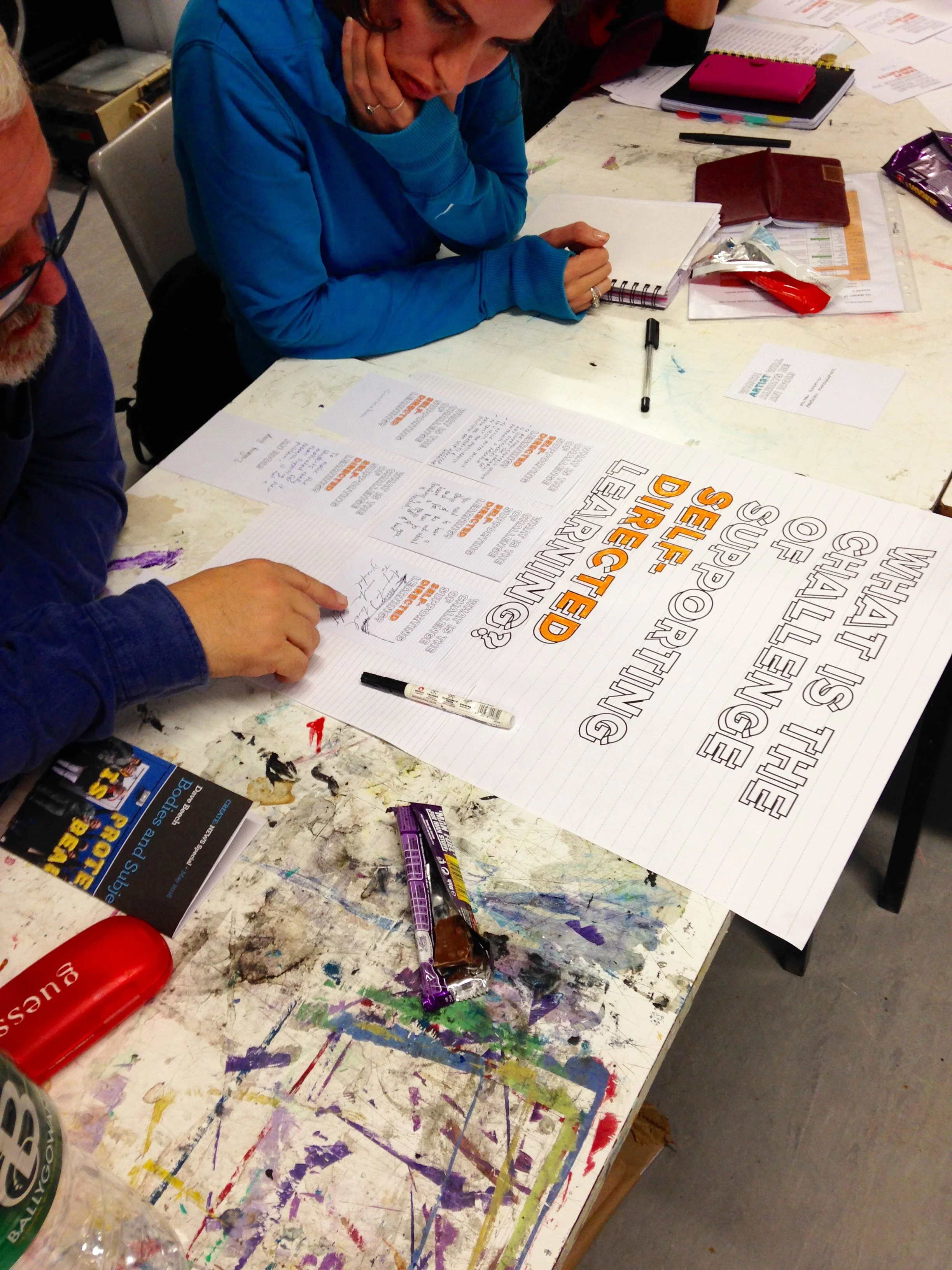
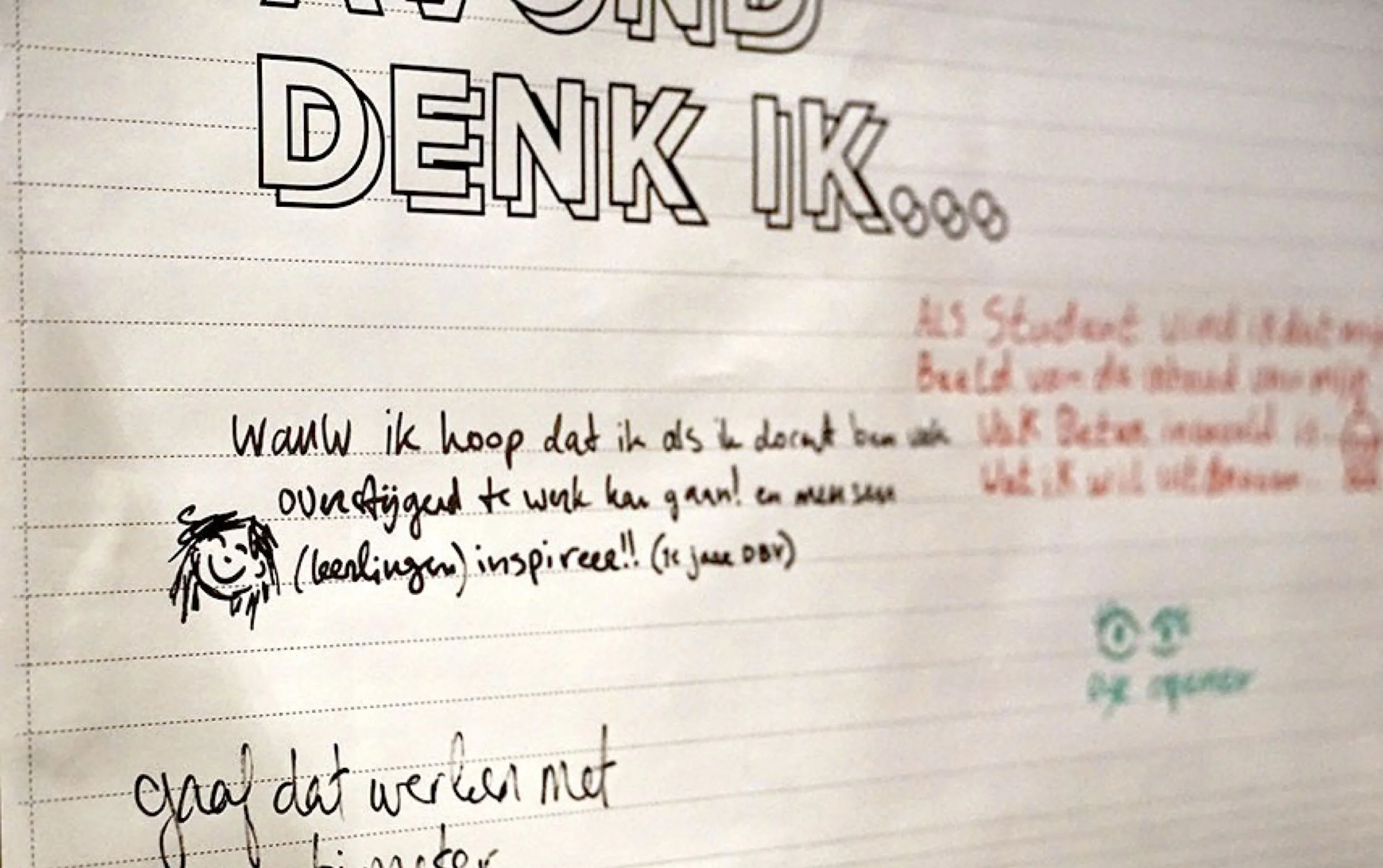
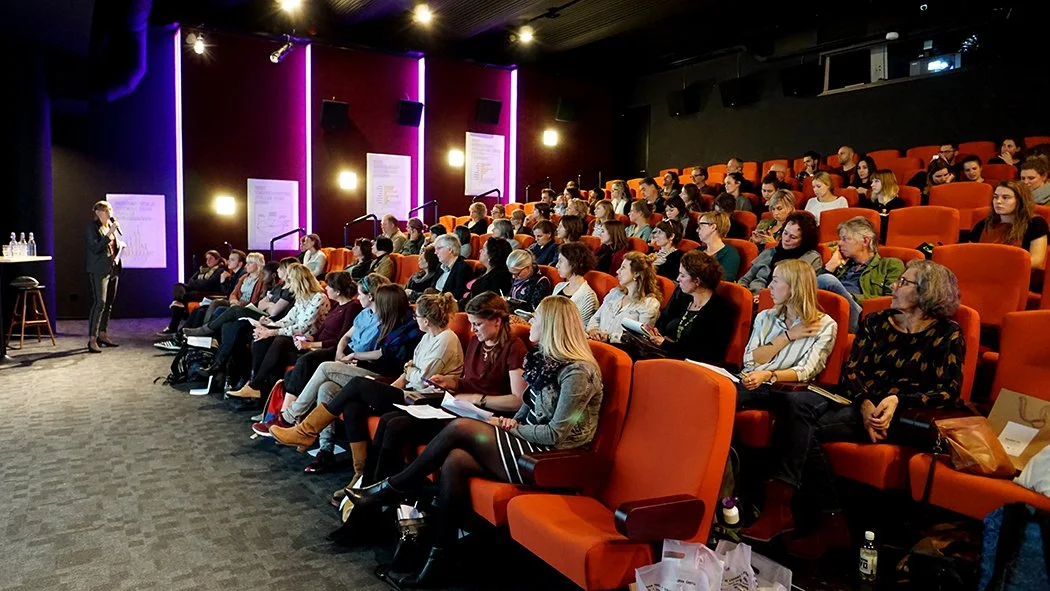
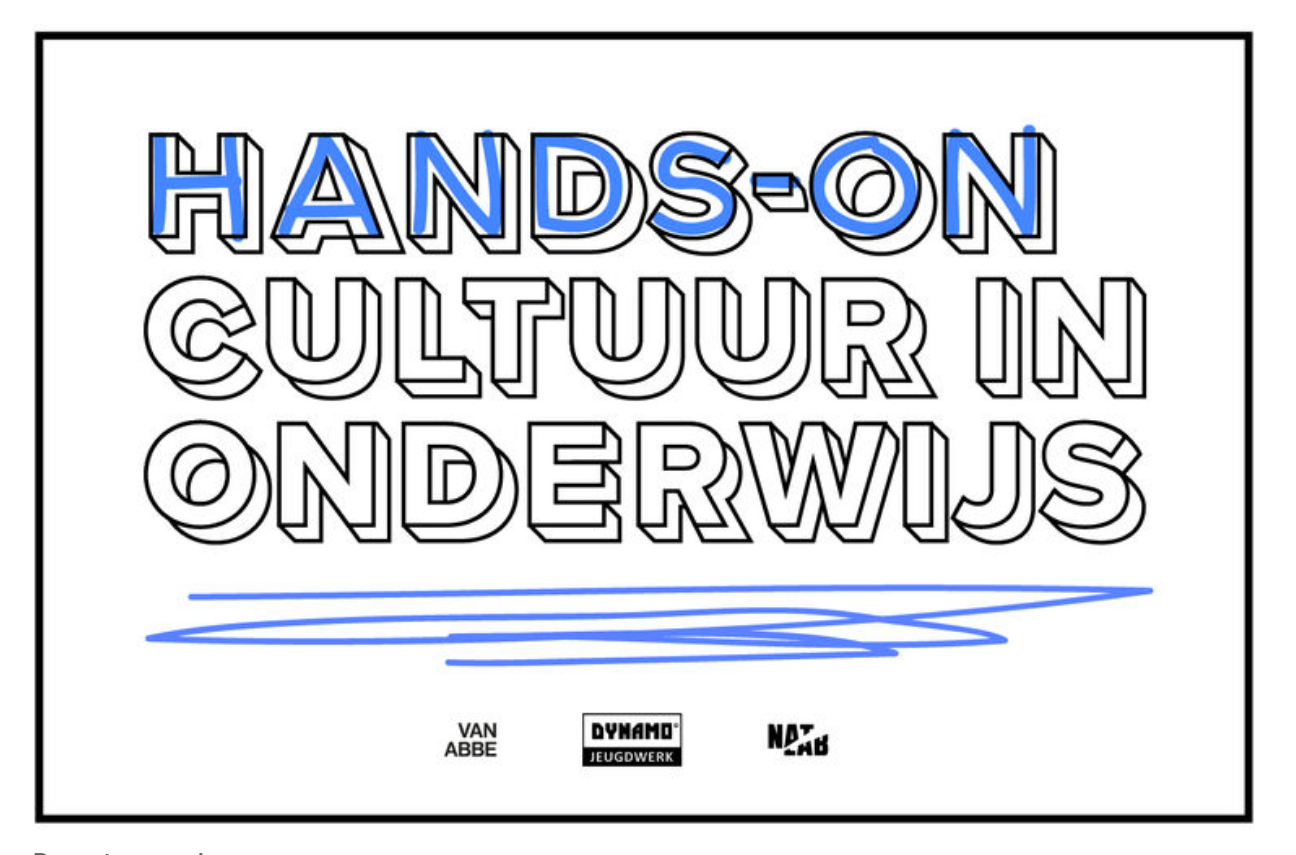
For the Van Abbemuseum in Eindhoven, I designed and operated an annual teachers get-together. Through it, the museum wants to create a space for high school teachers to discuss common problems in art education and look at creative solutions. I developed an interactive Event format, where the crowd was asked to give input weeks before the event. I processed this data, translated it into clear infographic visuals which became then the base of discussing during the event.
Reverse branding
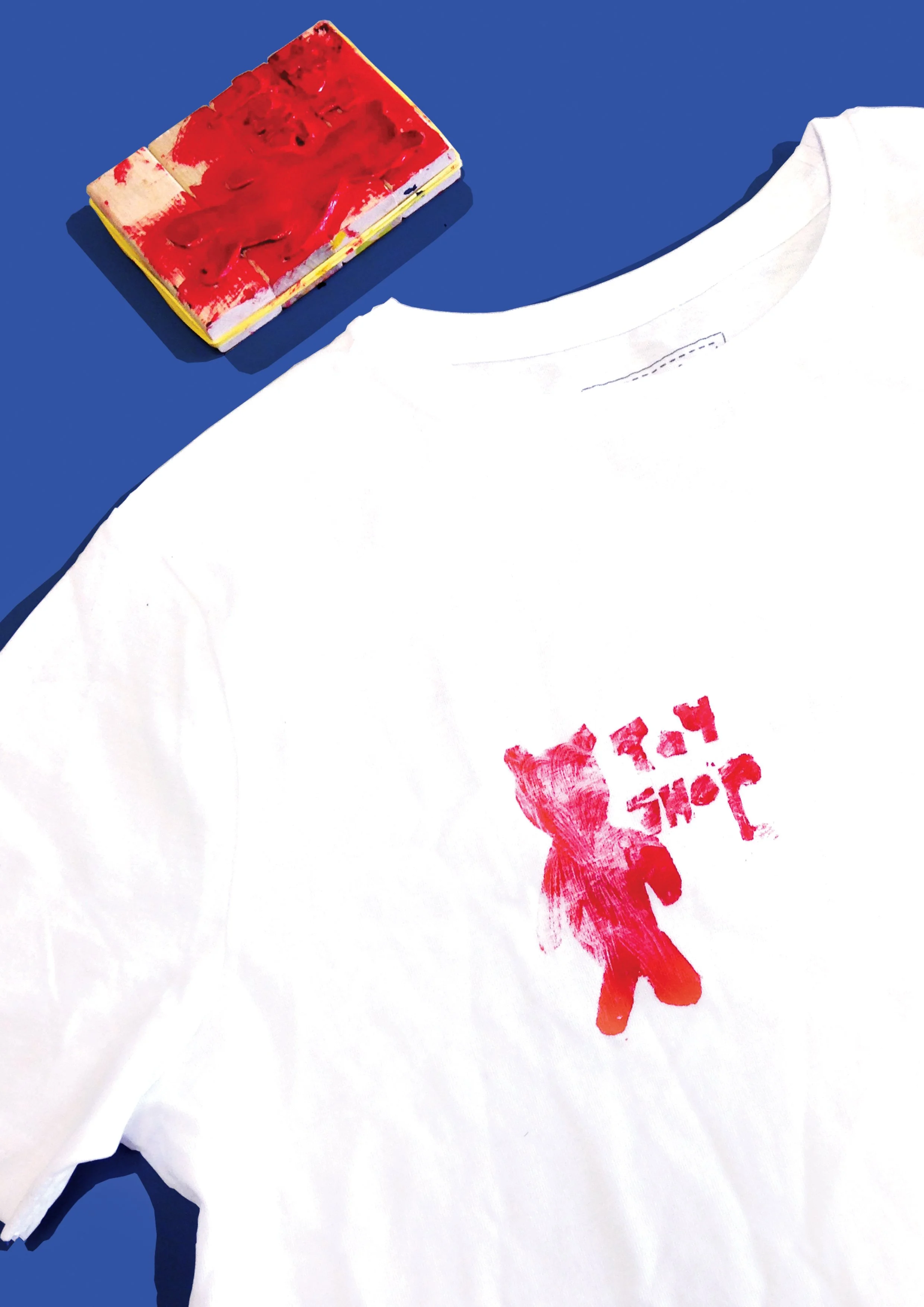
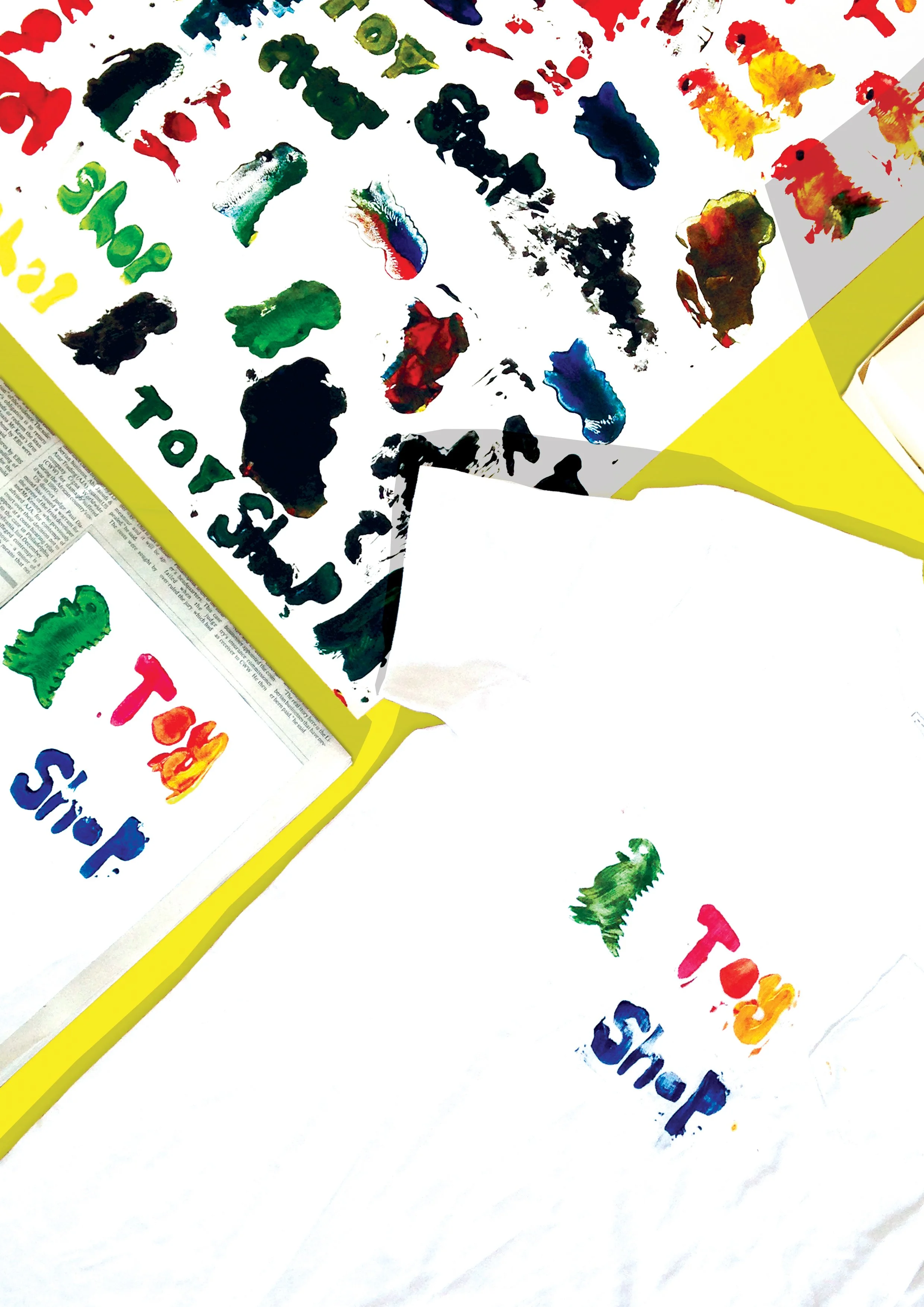
For my MA in Socially Engaged Art I flipped the script of the normal design process: what if the target group makes the branding instead of the designer? Designers often have to interpret what a target group would appeal, but do we really know? In a participatory graphic design project, I let primary school students design the logo for a toy shop. In exchange for their hard work, I taught them a course in visual literacy in commercial advertising: how to read an ad? What is the message it is trying to send? Who is the sender and what is their goal?
The research showed that this particular target group made completely different designs than a designer would: all childrens logos were little characters (identification), whereas designers create more type based logos (stylization).